Temperature
Why Does My Wolf Oven Take So Long to Preheat?
The short answer
A preheat signal reports the air at one sensor, not the whole cavity, so an oven that says it is ready early and then bakes cold is usually behaving normally. Let it soak, then measure it. Wolf Appliance Repair Denver will read yours against what the panel claims: (720) 807-8323.
Why it does that
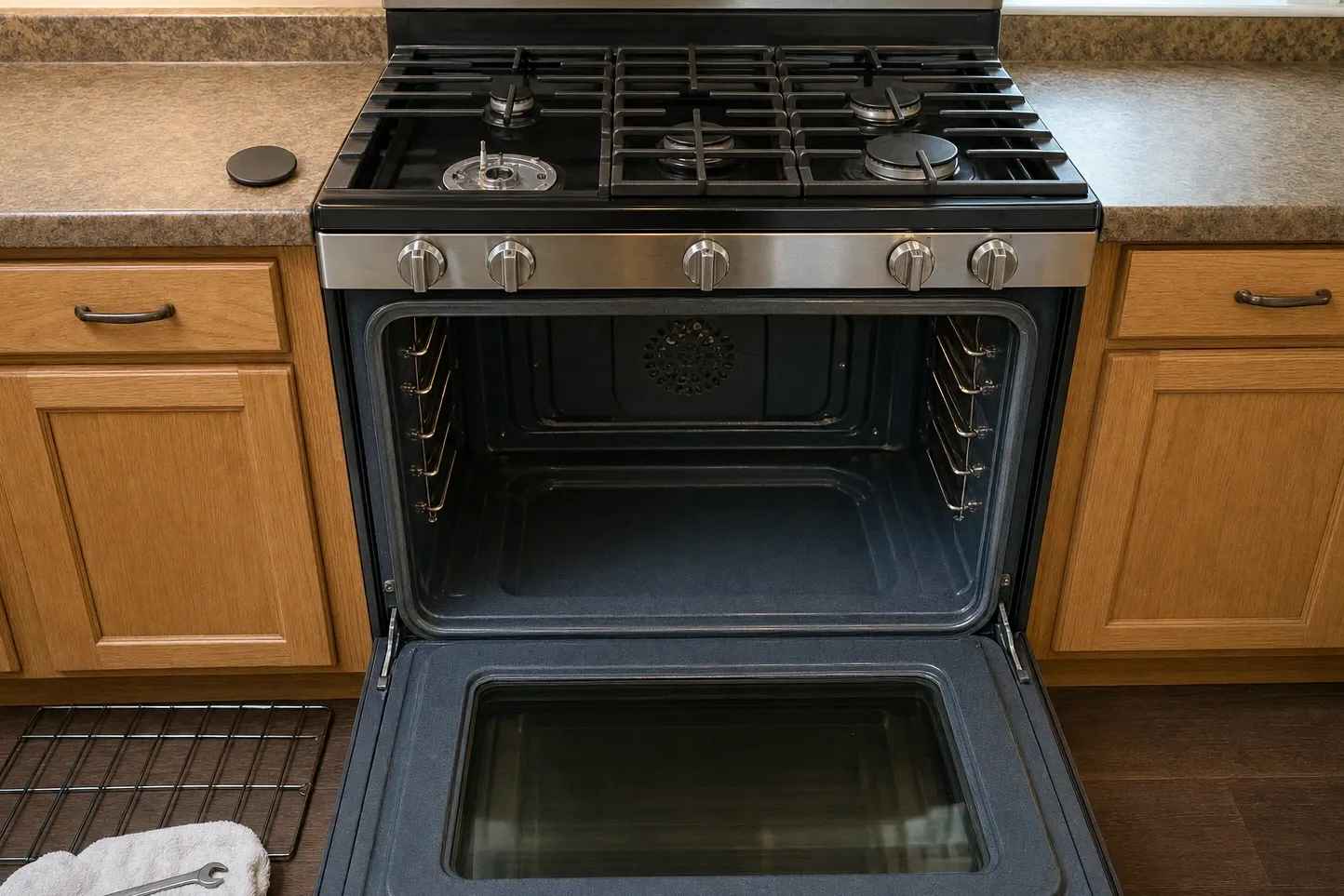
Preheating is not one event. The air comes up quickly; the walls, the racks and the door take much longer, and until they have caught up they pull heat back out of that air as fast as the element puts it in. The sensor sits high in the cavity, in air, clear of all of it, so it reaches setpoint before the box does. What gets reported as a slow preheat is usually the gap between those two moments. A genuinely slow one has a different shape: it climbs and never settles, or it settles somewhere that is not the number on the panel.
What actually gets done about it
The measurement comes first. A probe goes on the middle rack, the oven runs until it has stopped moving, and two readings are taken ten minutes apart. Where those numbers agree with the panel, nothing needs replacing and the visit ends there. Where they disagree in the same direction every time, it is a calibration or the sensor. Where the cavity never settles at all, the problem is the air moving through it rather than the heat going into it.
When it is a repair
What it turns out to be Parts and labour
- Oven thermostat or sensor calibration
- $190–$440 Oven thermostat or sensor calibration
- Convection fan or motor
- $290–$660 Convection fan or motor
Ranges, not starting prices — what moves inside one is the part and how far the oven has to come out of its column. The $89 diagnosis comes off the figure once you approve it.